How to simplify mealtimes with family meal planning
If you’re sick of constantly thinking about what to cook every night, then family meal planning will completely transform your mealtimes.
As a busy mum, trying to feed your family while juggling school schedules, work, activities, and household tasks can feel exhausting, especially when dinner time sneaks up on you every single day.
Without a meal plan mealtimes can quickly become overwhelming, expensive, and stressful.
Family meal planning is about creating easy systems that help you simplify mealtimes, reduce decision fatigue, save money on groceries, and make feeding your family easier.
Here are some practical and simple ways you can use family meal planning to simplify mealtime, including how to create a weekly meal plan, use dinner theme nights, rotate family favourites, and use batch cooking and meal prep to your advantage.
You’ll also discover some simple kitchen organisation tips, and easy habits you can practice to help you maintain meal planning over the long term, even when life gets busy.
Download your FREE weekly meal planner here.
Bookmark this post for future reference on Pinterest. Thank you!
This post may contain affiliate links, which means I’ll receive a commission if you purchase through my links, at no extra cost to you. Please read our full disclosure for more information.
What is meal planning?
Meal planning is when you have a plan of the meals you’ll make over a dedicated amount of time, the most popular being one week.
You can create a meal plan for multiple meals, for example breakfast, lunch, and dinner, or you can create a meal plan for one type of meal, for example dinners.
Meal planning doesn’t mean that every meal has to be homemade, healthy, or planned down to the smallest detail. It’s simply a system that helps you avoid the daily “what’s for dinner?” panic.
What are the benefits of meal planning?
Here are just some of the benefits of meal planning.
Reduces stress
Having a meal plan means that instead of constantly thinking about what to cook, you know what you’re cooking and when, which reduces a lot of stress surrounding feeding our family.
Saves time
Meal planning saves time because you don’t waste time thinking about what to cook, and it saves time when grocery shopping because you know exactly what ingredients you need, so you can go straight to the aisle that contains them.
Saves money
Another advantage of meal planning is that it saves money on food bills because you’re not buying items you don’t need, you avoid buying duplicate items, and you rely less on takeaways.
Encourages healthy eating
Including healthy meal ideas in a meal plan encourages healthier food choices for the whole family.
Reduces food waste
Having a meal plan means you buy ingredients that you’ll actually use, reducing the amount of food you throw out.
Different ways to meal plan
There are many different things you can try when planning family meals, your choices will depend on how much time and energy you have, and the needs of your family.
Some families will plan their meals by creating a weekly meal plan, some may plan meals by batch cooking, others may even prep portions of meals ahead of time, or some may use dinner theme nights.
Here are some ways you can plan your family’s meals, the best approach is to try different ways until you find what works best.
Create a weekly meal plan
One way you can start family meal planning, and the way that I do it is by creating a weekly meal plan.
You can create a weekly meal plan for all of your meals, or just dinners.
The key to creating a weekly meal plan is to set aside some time each week to write your plan, and then check your calendar before filling it out, so you know what days you need meals for.
For example, if you’ll be home late one night because one of your kids has an after school activity, then plan to have leftovers that night, or plan a meal that doesn’t take a long time to make.
Looking at your calendar may also remind you that you’re out on the weekend, so you don’t have to cook at all.
Some places where you can write your meal plan are:
- Google Sheets
- A meal planner notebook, this one includes a guide on how to meal plan, favorite recipe sections, a food expense tracker, snack ideas, and notes pages.
- A magnetic meal planner, which you can place on your fridge, this one has a weekly meal plan layout, and a section for grocery lists.
- Meal planning notepad this one has a grocery list on it, and you can tear the plan off and take it to the grocery store.
Use dinner theme nights
Dinner theme nights involves giving each night of the week a theme. Some examples of dinner theme nights include:
- Meat free Monday
- Taco Tuesday
- One pot Wednesday
- Slow cooker Thursday
- Pizza Friday
- Family favourite Saturday
- Roast Sunday
Some examples of meals you can make for meat free Monday include:
- Jacket potatoes with beans and cheese
- Lentil curry
- Vegetable pasta
- Vegetable stir-fry
If you chose Pizza Friday as a theme, which is the Friday night theme in my home, then you may choose to have a pre-made pizza, or make your own.
If making your own pizza, here are some pizza making accessories that will make it easier:
Some tasty pizza topping ideas for this theme night include:
- Bacon
- Button mushrooms
- Capsicum
- Ham
- Pepperoni
- Sausage
READ MORE: 5 dinner theme night ideas for stress free family dinners
Create a family favourites meals list
One of my favourite ways to simplify family meal planning is to create a master list of meals everyone enjoys.
This means that instead of constantly searching for meals to make, you’ll always have meal ideas to choose from.
Once you’ve created your family’s favourites meal list, you can organise it into categories like:
- 30 minute meals
- Air fryer meals
- Beef
- Budget meals
- Chicken
- Pasta
- Slow cooker meals
- Takeaway nights
- Vegetarian
Having a master list of meals saves time, helps avoid cooking meals your family won’t eat, and can help with finding easy dinner rotation ideas.
Batch cooking
Batch cooking means making larger quantities of meals, so you can store portions to eat at a later date.
For example, making double the recipe of lasagne and eating one portion the night you cook it, and eating the other portion on another night.
The benefits of batch cooking include:
- You can reheat a meal previously made instead of cooking a meal from scratch
- You don’t have to think of new meals to cook all of the time
- You can buy larger quantities of ingredients helping you to meal plan within a budget
If batch cooking is one of the meal planning ideas that you like, but you don’t have time to batch cook entire meals, you can meal prep parts of meals instead, like rice, sauces, school snacks and even school lunches.
Let’s talk about meal prepping a bit more.
READ MORE: Family batch cooking: How to make mealtimes easier
Meal prepping
Batch cooking involves making whole meals so you have meals ready to reheat at a later date, whereas meal prepping involves prepping parts of meals ahead of time, so you don’t have to make an entire meal from scratch.
For example, if you plan on having a salad on Friday, you can meal prep parts of the salad on Wednesday by chopping the vegetables you need, and keeping them in the fridge until Friday arrives.
Or, if you’re planning on having spaghetti on the weekend, you can precook the pasta sauce on Monday, and keep it in the freezer until you need to add it to your pasta.
Some other meal prepping examples include:
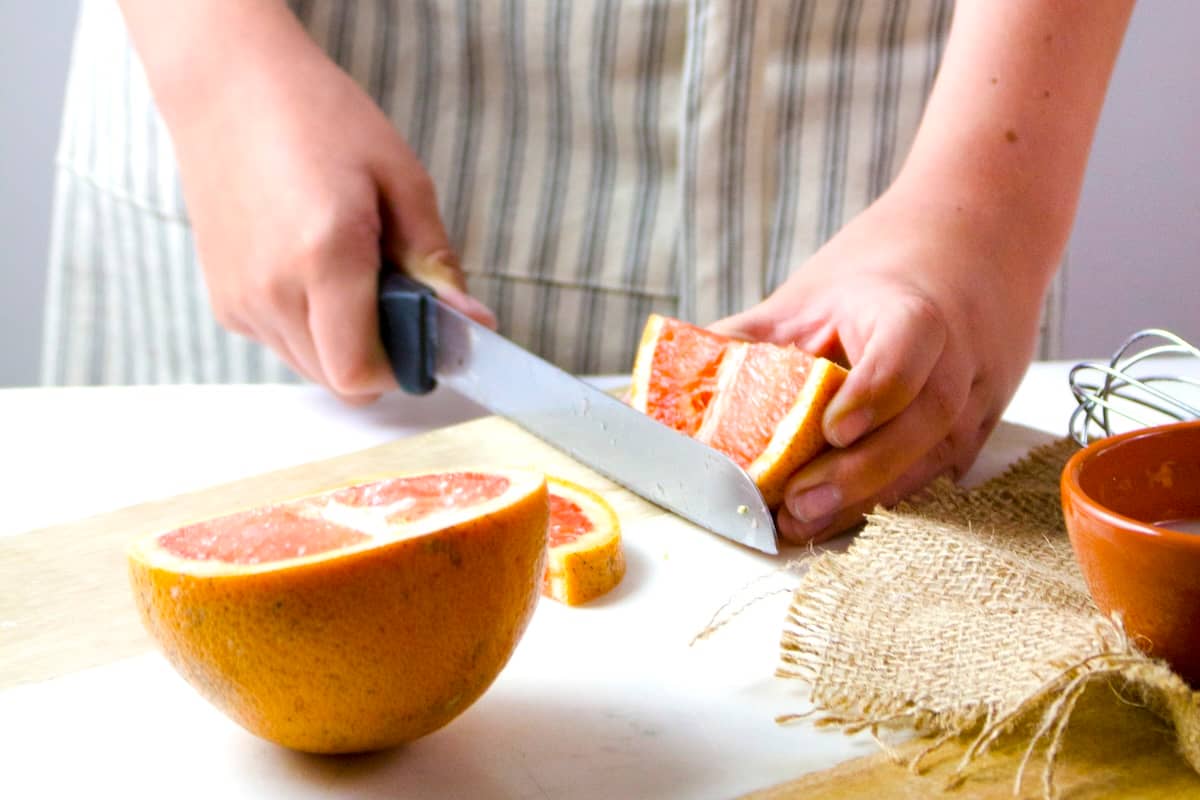
- Chopping fruit for fruit salads
- Grating cheese for tacos
- Making sauces, dressings, or marinades for meats
- Cooking rice or quinoa for side dishes
- Marinating meat
- Portioning snacks for days out
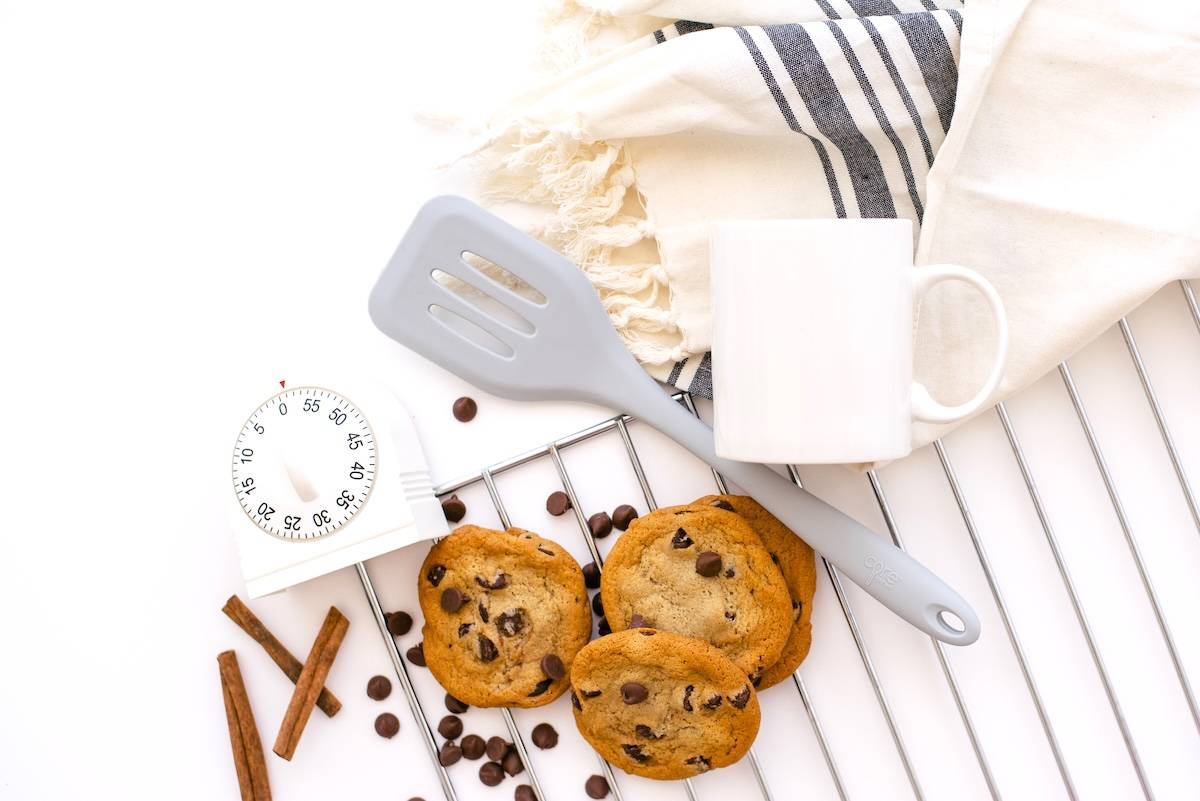
- Making cookie dough for future bakes
READ MORE: How to start weekly meal prepping for stress free mealtimes
Plan easy dinners
Not every meal has to be made from scratch, so when writing your meal plan choose 1-2 nights each week for simple dinners like:
- Frozen pizza and salad
- Toasted sandwiches
- Slow cooker meals
- Leftovers
Easy dinner nights are perfect for when you have sports, school events, or any other activity that means you’ll be home later than normal.
Create a kids’ snack station
Having a kids’ snack station in an area of your kitchen that your kids can access on their own, makes snack time less stressful for everyone.
You don’t need elaborate containers or expensive storage systems to create your snack station, simply keeping snacks on an easily accessible shelf, or in a basket works perfectly.
If creating a kids’ snack station is something you’d like to learn more about, please visit easy tips for a DIY kids’ snack station.
How to maintain meal planning efforts
One of the biggest challenges for busy mums is maintaining their meal planning efforts when life gets busy, for example when school schedules change, children get sick, plans shift unexpectedly, or during busy weeks.
The most successful meal planning systems are ones that are flexible, realistic, and easy to maintain during everyday family life.
Here are some ways to maintain your meal planning efforts over the long term.
Keep your system simple
Keeping your meal planning system simple is one of the best ways to maintain it over the long term.
You can do this by:
- Having leftovers on busy nights
- Planning only dinners instead of every meal
- Prepping a few ingredients ahead of time, instead of batch cooking entire meals
- Repeating family favourite meals regularly
- Using dinner theme nights as often as possible
Choose a regular meal planning time
Choosing a regular time each week to plan meals helps turn meal planning into a habit, instead of a last-minute task you constantly forget about.
Some ideas of times you can meal plan are:
- Writing a meal plan for the following week every Friday or Sunday night.
- Buying groceries on the same day each week.
- Prepping a few ingredients for the following week every Sunday afternoon.
Keep a running grocery list
Keeping a running grocery list makes meal planning easier because you can quickly add items to your list as you run out, instead of trying to remember everything at a later date.
Repeat meals without guilt
This is something I do every week without fail, which is to repeat family favourite meals at least 3 nights a week.
Some benefits of repeating meals are that it:
- Makes meal planning faster because you don’t have to think of a new meal for every night.
- Saves time because you can reheat a meal instead of cooking one from scratch.
- Simplifies grocery shopping because you don’t have to buy a week’s worth of ingredients.
Use your freezer
Having freezer meals, leftovers, or pre-cooked items as part of your meal plan saves a lot time and stress during busy weeks.
I often schedule a freezer dinner into my weekly meal plan, which involves feeding my family leftovers, precooked meals like nuggets or pizza, or using frozen vegetables as a side dish.
READ MORE: Simple freezer organisation tips to make meals easier
Family meal planning – a recap
Family meal planning isn’t about spending hours cooking, sticking to detailed meal plans, or cooking complicated meals every night.
It’s about making feeding your family easier, less stressful, and more manageable.
Whether you start by planning dinners, introducing dinner theme nights, batch cooking a couple of meals, or keeping a list of family favourite meals you can rotate, small changes can make a huge difference to how easy it is to feed your family.
You don’t need a perfect system to benefit from meal planning. Even just 15–20 minutes of planning each week will save you a lot of time, reduce stress, simplify grocery shopping, and help mealtimes run more smoothly.
So start small, keep things simple, and build a meal planning routine that works for your family, and your time and energy levels.
Over time these small habits will make mealtimes less overwhelming, and much more enjoyable.
Ready to get more organised?
If you enjoyed these tips, don’t forget to download your FREE toolkit full of printables to make decluttering and home organisation easier. Get your FREE toolkit here.
What’s one meal planning habit that makes your week easier?
Love this post? Share it with others on Pinterest – Thank you!