Simple home organisation tips for busy mums
Keeping your home organised can feel overwhelming, especially when you’re juggling toys, laundry, meal prep, and everyone’s daily routines. Luckily, there’s some home organisation tips that you can use to help you easily organise your home.
In this guide you’ll learn some simple home organisation tips you can maintain, even during busy seasons of motherhood.
We’ll cover practical room-by-room organisation ideas for your kitchen, bathroom, living room, bedrooms, home office, wardrobe, toys, and entryway.
We’ll also discuss some easy routines you can implement to keep your home organised over the long term.
Whether you’re starting from scratch, or just want your home to be easier to manage, these organisation tips will help you create a calmer, more functional home, without adding more pressure to your already busy life.
Download your FREE declutter checklist with 100+ items to declutter here
Bookmark this post for future reference on Pinterest. Thank you!
This post may contain affiliate links, which means I’ll receive a commission if you purchase through my links, at no extra cost to you. Please read full disclosure for more information.
What to remember when organising your home
Here are some things to remember when organising your home, which will put you in the right mindset to work on larger home organisation projects.
Everything needs a home
This is something that I practice in my house, which is to make sure every item has a designated place, and that the item is back where it belongs each night.
Here are some examples:
- Dish cleaning products live next to the sink
- Pots and pans live under the cooktop
- Mugs are kept next to the kettle
Keep it simple
If a system takes too many steps, involves too many decisions, or is too much effort, it will eventually get abandoned.
An example of how you can make a system simple is using toy organisation.
To make this simple use open toy containers so your kids can put toys away easily, instead of using labelled boxes, which younger kids may not be able to read, therefore, won’t use.
Make it family friendly
If you’re the only one who knows how an organisation system works, it will quickly become another job you have to manage on your own.
When choosing an organisation system, choose one that your whole family can use.
An example of this is using hooks to store school bags, so your kids can place school bags on them themselves after school.
READ MORE: Simple backpack storage ideas for your home
How to organise your home room by room
Now that we’ve covered some of the foundations of home organisation, it’s time to discuss how to organise your home, and the best way to organise your home is room by room.
Organising room by room is much less overwhelming than organising your entire home in one go, and is a great way to work towards simplifying your home at a pace that works with busy family life.
Here’s how you can start organising your home room by room.
Kitchen
Kitchens are a hub of clutter, so focus on the following activities to organise this room fast.
- Create zones where similar items are placed. For example a breakfast zone where cereal, bowls, and spoons are kept, or a lunch zone where lunchboxes, drink bottles, and snacks live.
- Use the first in, first out method when organising your pantry by moving older cans to the front, so you use them before they expire.
- Store items where you use them (my favourite kitchen organisation tip), for example mugs near the kettle, plates near the dishwasher.
- Use floating shelves to hold cookbooks, or over the door shelves for spices, which organise items easily.
READ MORE:
Simple kitchen organisation hacks every busy family needs
A busy mum’s guide to a clean kitchen every day
Bathroom
The bathroom is another room that can become disorganised quickly, especially when there’s items overflowing in drawers.
Here are some things to focus on organising in your bathroom.
- Throw away expired and half used products, and products you know you won’t use
- Group remaining items by category, for example toiletries together, dental items together, and haircare together.
- Use bathroom storage solutions to group each category. My favourite bathroom organisers are these bathroom drawer organisers, which I use for makeup and grooming tools, and under sink containers that I use for back up skincare, vitamins, and cotton pads.
- Only keep essential items on counters such as a soap dispenser, toothbrush holder, and daily use skincare.
READ MORE: The ultimate guide to bathroom organisation
Living room
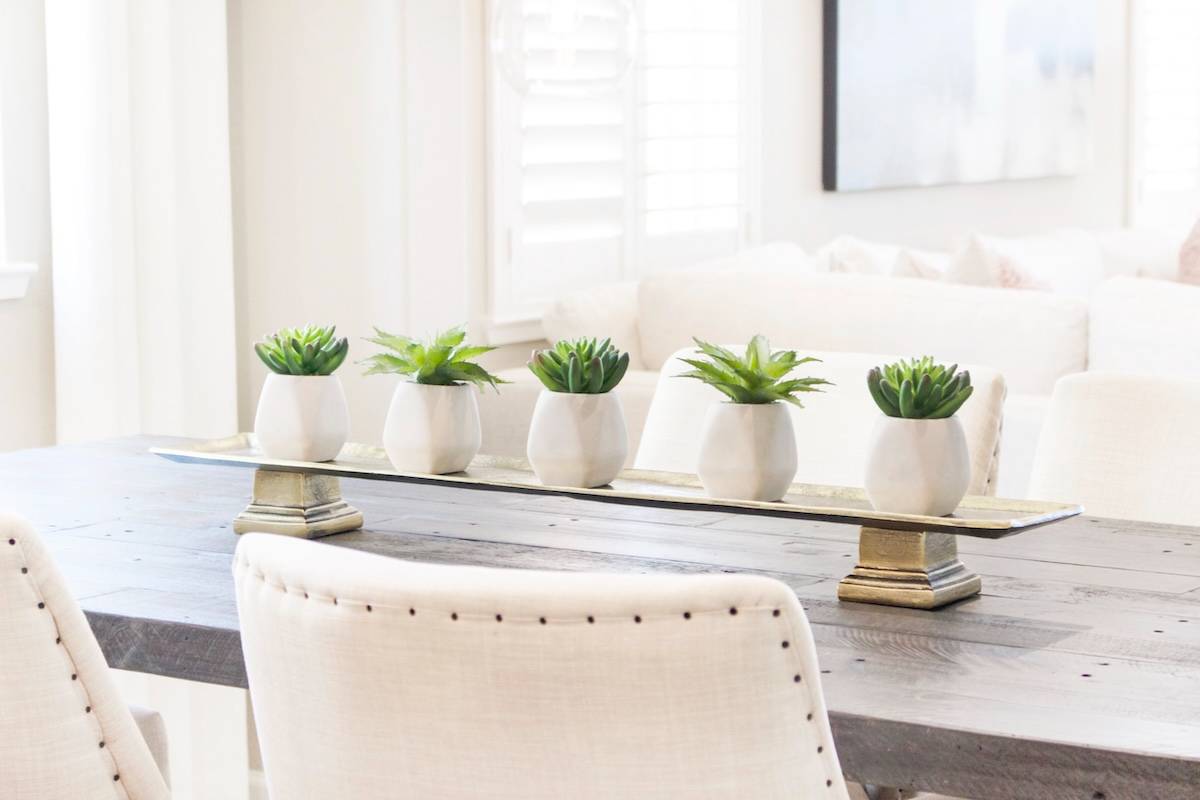
Living rooms are often one of the hardest rooms to keep organised, as they can be a dumping ground for toys, paperwork, electronics, and other items.
The key to keeping your living room organised is to make it easy to reset at the end of the day, which you can do by:
- Keeping surfaces clear
- Creating homes for remote controls, chargers, and paperwork
- Reducing the amount of décor items on display
RELATED POST: How to achieve a decluttered living room without stress
Bedrooms
The key to bedroom organisation is creating simple systems that make the room easy to maintain, without needing constant tidying.
Here are some things you can do to organise bedrooms:
- Reduce clothing clutter by donating items you don’t wear
- Have a laundry hamper in each bedroom for washing that needs cleaning
- Use bedside drawers to store chargers, books, and skincare
- Store out-of-season clothing under your bed to free up wardrobe space
- My favourite bedroom organisation tip – keep a donation bag in your wardrobe so it’s easy to remove clothes you no longer wear
READ MORE: How to create a calm space with a bedroom declutter
Home office
Paperwork, school letters, calendars, chargers, to-do lists, and important documents can quickly pile up, and create stress if they don’t have a clear place to go.
That’s why having a home office, small corner of your kitchen, or a table can make such a big difference in keeping your home organised.
Here are some things you can focus on when organising paperwork or office items.
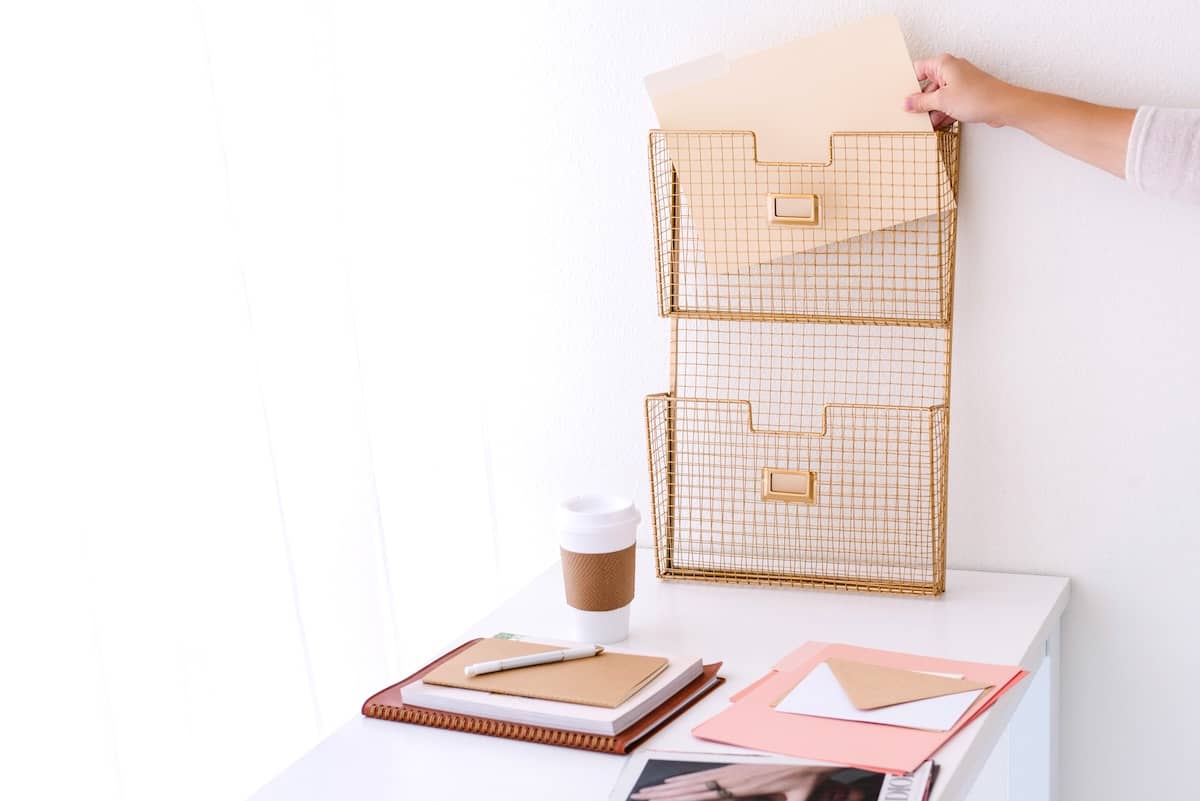
- Keep important paperwork in one place like in a file or paper envelope
- Create a simple system for incoming papers and letters
- Use a family calendar or planner to record important events and dates
- Deal with paper clutter regularly
- Consider getting digital bank statements instead of paper statements
- Opt out of junk mail and sign up for digital school communications
Wardrobe
Keep important paperwork in one place like in a file, or paper envelope
Create a simple system for incoming papers and letters
Use a family calendar or planner to record important events and dates
If you’re sick of rummaging through clothing, here are some things you can do to organise your wardrobe.
- Donate anything that doesn’t fit, or you haven’t worn in over 12 months
- Put clothing away by category, for example:
- Trousers, leggings, jeans, and shorts
- T-shirts, blouses, and shirts
- Jumpers
- Skirts and dresses
- Socks and underwear
- Use clothing organisers to help you find clothing easier, some of my favourites are drawer organisers for underwear and socks, and hanging organisers for shoes and jumpers
READ MORE: Smart ways to organise clothes effortlessly
Toys
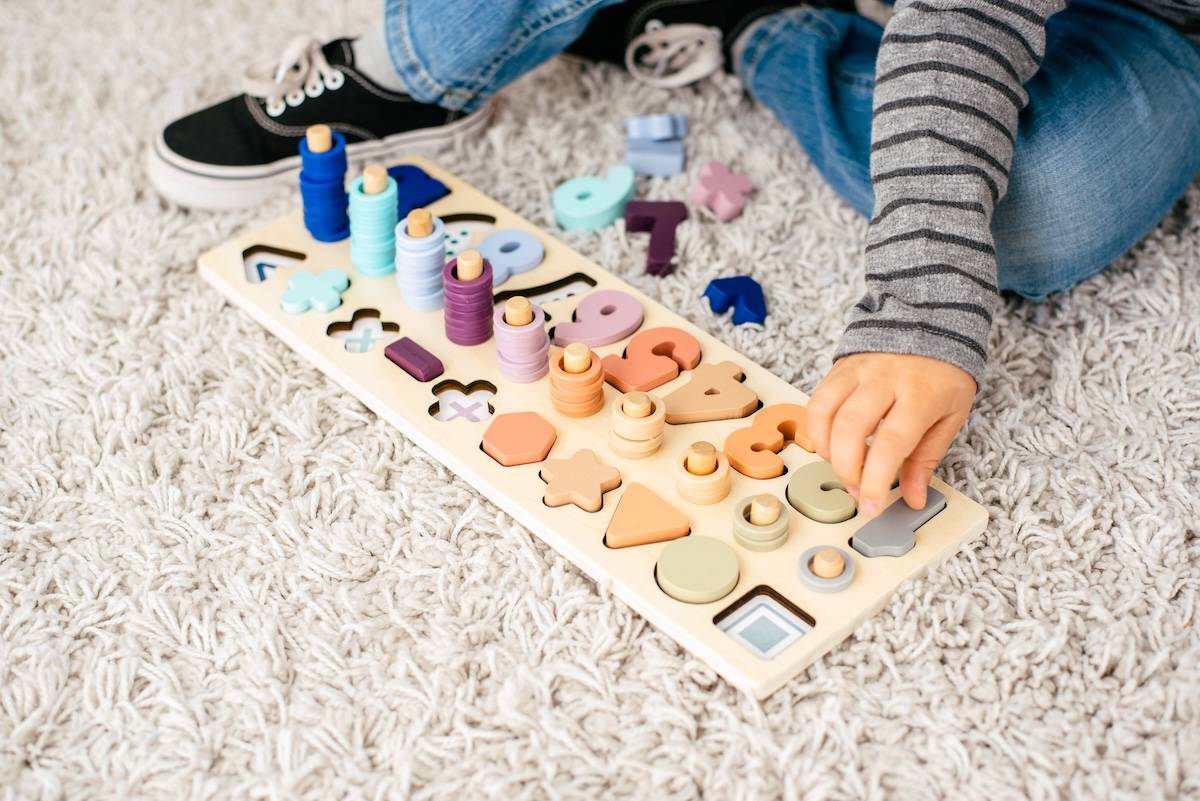
When toys are organised tidying becomes easier, play time becomes more focussed, and your home feels less cluttered.
When organising toys focus on:
- Throwing out broken toys
- Donating toys that work, but your kids don’t play with
- Put remaining toys away with similar toys so they’re easier to find, for example:
- Board games and puzzles
- Building toys and vehicles
- Dolls and accessories
READ MORE: Effortless toy organisation: Say goodbye to messy rooms
Entryway
Shoes, school bags, coats, paperwork, and random items can quickly accumulate in your entryway, making your home feel chaotic as soon as you’ve walked through the door.
Creating a simple organisation system in your entryway can make a huge difference to your daily routines, and make mornings less stressful.
Here are some things you can focus on organising in your entryway:
- Have an entryway table near your front door that has a bowl for keys on it, and has space underneath for shoes and school items.
- Utilise hooks on the back of your front door, or a coat rack near your front door for coats and bags.
How to keep your home organised
Organising your home room by room is an important first step, but the key to keeping your home organised is to implement a few routines.
Routines will help prevent clutter from building up again, making everyday tasks feel easier, and preventing your home from slipping back into chaos.
Here are some routines you can try to keep your home organised. The best place to start is to choose the ones that will work the best for you and your family.
Evening reset routine
Doing a 15 minute evening reset routine each night means spending time tidying the most used areas of your home, so your home returns to a basic level of order at the end of the day.
Here are some things you can do as part of your evening reset routine:
- Remove items from rooms that belong elsewhere
- Sweep or vacuum
- Wipe countertops
- Empty rubbish bins
Weekly reset routine
If you find yourself waking up on a Monday morning feeling stressed, overwhelmed, and worried that you’re going to forget something important, then a weekly reset routine will help you start the week on a more positive note.
Here are some things you can do each week that will help you organise your home.
- Write down appointments, events, and anything else date and time specific that’s happening the following week, and make sure you’re prepared for it.
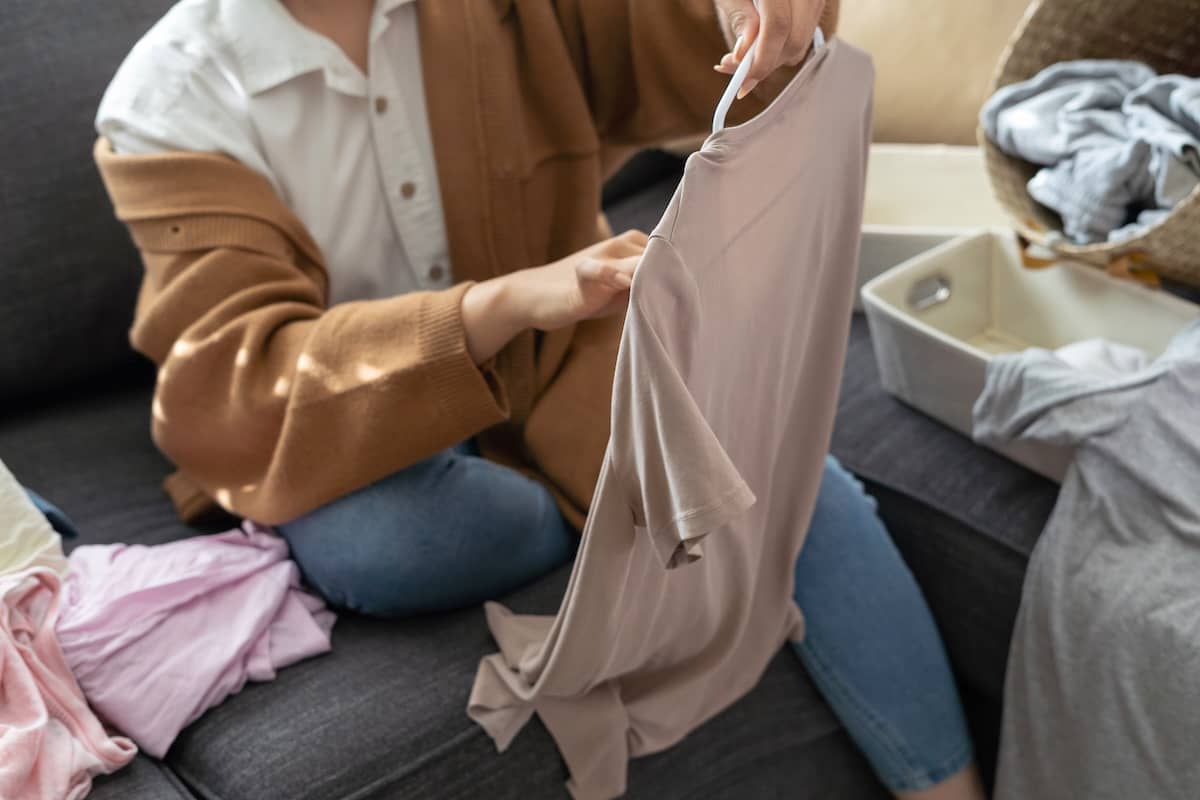
- Put dirty clothes in one location, run some loads of laundry, and fold and put laundry away as soon as it’s cleaned.
- Prepare for school by laying out uniforms, checking backpacks for homework, and actioning what’s needed.
READ MORE: The busy mum’s guide to a weekly reset
Sunday reset routine
A Sunday reset routine is something you do on Sunday (or any other day that works for you), so you can start the week feeling more organised.
Here are some things you can add to your Sunday reset routine.
- Write a meal plan
- Clear kitchen counters
- Clear clutter and toys from the living room
- Tidy your entryway
Daily cleaning routine
Having a daily cleaning routine that you do throughout the day, or at the start and end of the day, means you don’t have to spend hours doing deeper cleans.
Here are some activities you can do during a daily cleaning routine:
- Put cushions, remote controls, and gaming sets away
- Sort through paperwork, and recycle what’s not needed
- Clear surfaces of clutter
- Sweep or mop floors
RELATED POSTS:
A quick daily cleaning routine for a tidier home.
10 tips for moving houses with kids without the stress
Speed cleaning routine
One last routine to help you with organising your house is to set up a speed cleaning routine, which is helpful when you want your home to look clean and organised fast.
Here are some cleaning activities you can do as part of a speed cleaning routine.
- Throw away rubbish
- Wipe down countertops
- Wipe down bathroom sinks
- Clean mirrors
- Spot mop floors
- Empty rubbish bins
RELATED POST: 15 spring cleaning tips for busy mums
Home organisation tips – a recap
The best home organisation tips are often the simplest ones, because simple systems are the easiest to maintain during busy family life.
By giving everything a home, creating routines, and organising your home one room at a time, you can create a calmer, more functional home that doesn’t feel overwhelming every time you enter it.
So start small, focus on one room at a time, and celebrate any progress you make along the way.
Even the smallest changes like organising one drawer, resetting one room, or creating one simple system, can make a huge difference over time.
Ready to get more organised?
If you enjoyed these tips, don’t forget to download your FREE toolkit full of printables to make decluttering and home organisation easier. Get your FREE toolkit here.
Which of these home organisation tips are you excited to try?
Love this post? Share it with others on Pinterest – Thank you!