10 simple ways to improve your family organisation

If you’re constantly juggling school admin, appointments, homework, meal planning and everything else that comes with family life, having simple systems in place to help you with family organisation will reduce your mental load and make family life run more smoothly.
In this post you’ll discover 10 simple family organisation tips to help you manage family life. From creating a family command centre and using a shared family calendar, to establishing routines, organising school papers and planning meals, you’ll find simple ideas that you can easily put into practice.
Whether you want calmer mornings, less chaos, or simply more time to enjoy family life, these family organisation tips will help you organise your family, without adding more stress to hectic family life.
Looking for simple ways to get organised? Download your FREE toolkit packed with planners and checklists to help make family life easier. Get it here.
Bookmark this post for future reference on Pinterest. Thank you!

This post may contain affiliate links, which means I’ll receive a commission if you purchase through my links, at no extra cost to you. Please read my full disclaimer for more information.
Family organisation tips that make life easier
If you’re wondering how to organise your family without adding more work to your already hectic schedule, then these simple family organisation tips are a good place to start.
Create a family command centre
A family command centre is a dedicated area in your home where you keep important information, reminders and everyday essentials, that help you organise your family.
It’s usually located somewhere everyone can access, such as the kitchen, hallway, or another high traffic area.
Your family command centre might include:
- A family calendar showing everyone’s appointments and activities
- A weekly schedule or planner
- Chore lists and routine charts
- A place for important school paperwork
- Hooks for keys and everyday essentials
- A noticeboard for reminders and family information
Having one central place for important information makes it easier for everyone to see what’s happening and to find what they need.
It can also encourage children to take more responsibility because they can check their own schedules, follow routine charts and find important information without having to ask an adult.
A small noticeboard, calendar and a few storage baskets can be enough to create a family command centre.
Use a shared family calendar
Keeping track of everyone’s appointments, school events, activities and commitments can be overwhelming.
A family calendar gives you one place to record everything, so you can see what’s happening and plan ahead.
There are several different types of family calendars depending on what works best for your family.
Here are some family calendars that you may like to consider:
- A large family wall calendar is useful for displaying everyone’s schedules somewhere visible, like in the kitchen.
- A digital family calendar allows family members to access schedules from their phones and update appointments easily.
- A family planner is a good option if you prefer writing things down and want to keep schedules, meal plans and notes together.
- A shared calendar app like Google Calendar is a free option that allows family members to share appointments and receive reminders.
Whichever option you choose, the most important thing is to have one main calendar that everyone uses.
To make your family calendar more effective:
- Add appointments and activities as soon as you know about them
- Use different colours for each family member
- Include school events, sports activities and important deadlines
- Review the calendar once a week to prepare for upcoming commitments
- Encourage older children to check their own schedules
Having a shared family calendar means fewer forgotten appointments and less time spent trying to remember what everyone is doing.
Establish family routines
One of the easiest ways to organise your family is to establish family routines for the parts of family life that feel the most chaotic.
Family routines help everyone know what needs to happen and when, reducing the number of decisions you need to make throughout the day.
Here are three family routines worth introducing.
Morning routine
A simple morning routine helps everyone get ready and out of the house without unnecessary rushing.
Some things you can include in your morning routine are:
- Getting dressed
- Making beds
- Eating breakfast
- Packing school lunches
- Checking school bags are ready
- Putting shoes and coats on
After school routine
After school can be one of the busiest times of the day, particularly when children have homework, activities and other commitments.
Having a predictable after school routine helps everyone settle into the afternoon.
Some things you can include in an after school routine are:
- Putting school bags and shoes away
- Having an after school snack
- Taking some time to relax or play
- Completing homework or reading
- Getting ready for after school activities
Evening routine
An evening routine helps you prepare for the following day, so mornings feel less rushed.
Some simple evening routines include:
- Checking the family calendar
- Preparing school bags and uniforms
- Making school lunches
- Loading the dishwasher
- Clearing kitchen counters
- Tidying shared living spaces
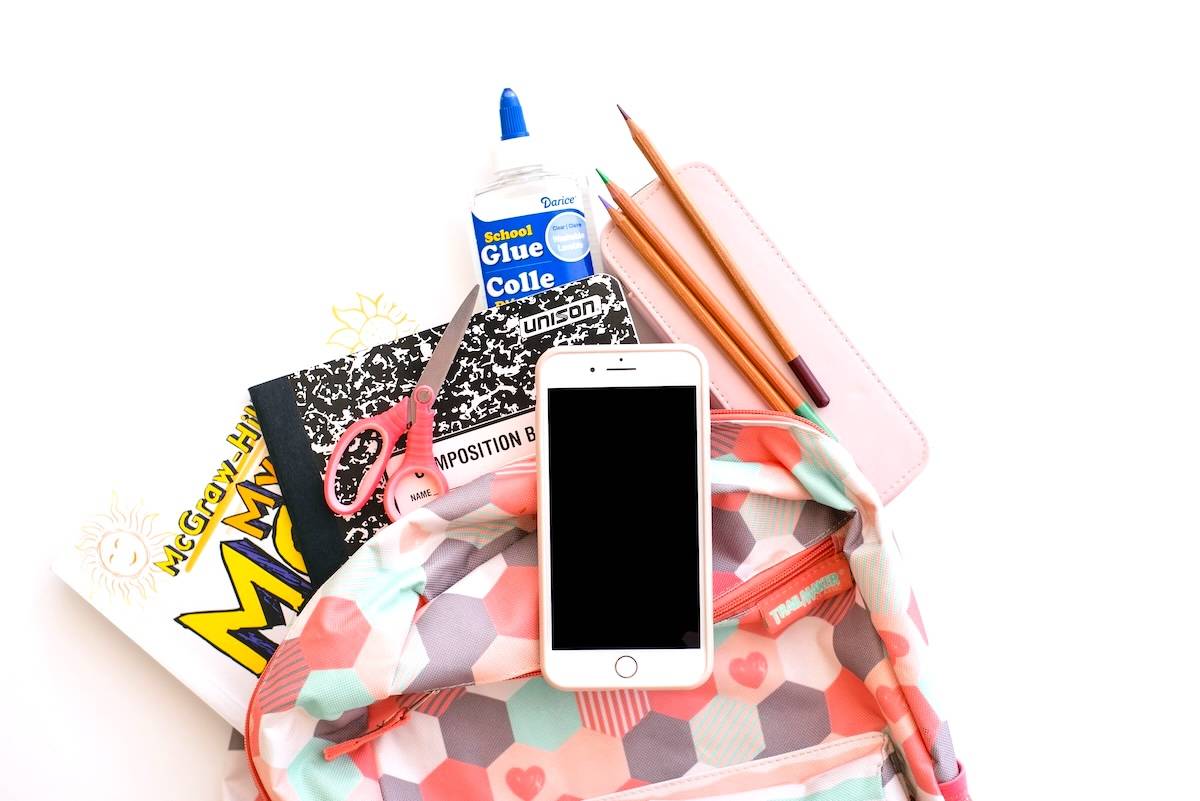
Set up a dedicated homework area
School papers, reading books and stationery can end up scattered all around your home.
Creating a dedicated homework station gives these items a place and makes it easier for children to complete their school work.
Your homework station doesn’t need to be an entire room. A small desk, a section of the kitchen table, or a small shared space can work.
Here are some things to include in your homework station:
- Pencils, pens and colouring supplies
- Exercise books and homework folders
- Reading books
- Paper, notebooks and worksheets
- A tray for completed homework
- A folder for school letters and important school papers
The aim is to keep everything your children need together, so they don’t waste time looking for supplies, or leaving different items from around the house.
It’s also worth establishing a simple habit of returning everything to its place once homework is finished
RELATED POST: Simple school supply organisation ideas for your home
Family meal planning system
Meal planning is one of the most useful family organisation systems because it removes the daily question of what to cook.
Instead of deciding what to make every evening, you can plan your meals in advance and make sure you have the ingredients you need.
I like to plan my family’s meals once a week, which helps me stay organised and makes grocery shopping much easier.
Here are a few ways to start family meal planning:
- Create a list of family favourite meals so you always have ideas
- Choose simple meals for evenings when you have after school activities
- Check your fridge and cupboards before writing your shopping list
- Keep your weekly meal plan somewhere visible
You don’t have to plan every meal in advance. Even deciding on five evening meals can make the week easier to manage.
Having a meal planning system can save time, reduce food waste and prevent the last minute stress of trying to work out what everyone is going to eat.
Organise everyday essentials
One of the biggest frustrations in a busy home is constantly searching for things everyone needs.
School bags, shoes, keys, water bottles, coats and sports equipment all seem to disappear when you need them the most.
Creating designated storage areas for everyday essentials makes it easier for everyone to find what they need.
Here are some ideas on how you can do this:
- Give each child their own hook or storage space near the front door for school bags
- Use a shoe rack or shoe basket to keep everyday footwear together
- Keep a small bowl or key holder on your kitchen counter for keys
- Use a coat rack so everyone has somewhere to hang their coat
- Create a designated space in the kitchen for clean bottles and lunchboxes
- Use labelled baskets, storage boxes or a sports equipment organiser to keep sports equipment together
The aim here is to give frequently used items a home and to make sure everyone knows where things belong.
You could also create a daily essentials drop zone near your front door, so everything needed for the following morning is ready to go.
Keep school papers organised
School papers can build up when you have multiple children bringing home letters, worksheets, permission slips, artwork and important reminders.
The easiest way to manage school papers is to create a simple system for dealing with school papers as soon as they enter your home.
Here are some things you can do to organise school papers:
- Store new papers in one place until you’ve had time to deal with them
- Complete permission slips as soon as you’re aware of them
- Keep important information, reports and documents together in folders
- Keep favourite artwork and photograph the rest
Find some age appropriate chores
Family organisation becomes much easier when everyone shares responsibility for keeping your home running smoothly.
Here are some examples of chores you can give your children:
Younger children:
- Put toys away
- Put dirty clothes in the laundry basket
- Put shoes in their designated place
- Help set the table
Older children:
- Pack school bags
- Lay out school uniforms or PE kit
- Empty the dishwasher
- Keep their bedroom tidy
Plan your week
Instead of trying to remember everything as you go, spend 15–20 minutes once a week planning your week.
You can plan your week by doing the following:
- Reviewing everyone’s appointments and activities
- Checking school dates, events and deadlines
- Planning your family’s meals
- Writing your grocery shopping list
- Checking uniforms and sports equipment
- Identifying any important household tasks
- Making a note of anything that needs preparing in advance
Try a home reset
A daily home reset is a period of time where you put things back in order so your home doesn’t become difficult to manage throughout the week.
A home reset doesn’t need to involve deep cleaning or tackling every room. Instead, focus on the areas that once reset will make your home feel more organised.
Some activities that you may like to add to your evening home reset are:
- Putting toys and belongings away
- Clearing kitchen counters
- Loading the dishwasher
- Returning everyday items to their designated places
- Clearing paperwork from shared spaces
- Preparing essentials for the following morning
- Putting a load of laundry on
The aim isn’t a perfectly tidy home, it’s to make sure everything is organised and ready for the next day.
How to keep your family organised
The best family organisation systems are simple, realistic and flexible enough to adapt when circumstances change.
Here are three things to help you keep your family organised.
Keep things simple
It’s tempting to introduce many new family organisation systems, but starting with one system that solves the biggest challenge you have, then adding more over time is the best way not to feel overwhelmed, thereby giving up on your systems completely.
Share tasks
Encourage family members to use the systems you’ve created, and help where they can so not everything falls on you.
For example, your children can check the family calendar and action their tasks, everyone can put their own belongings away, and you can allocate family members their own family routines.
The more everyone understands how their home runs, the less responsibility falls on one person.
Adjust your systems regularly
A family organisation system that worked perfectly a year ago might not be suitable anymore.
Take some time every few weeks to consider what’s working and what isn’t and don’t be afraid to change or remove a system that’s no longer working.
Improving your family organisation – a recap
Getting your family organised is about creating simple systems that make family life easier.
When your family is organised mornings become less rushed, everyone knows what they need to do, your family can keep track of their own commitments and there’s less stress trying to find missing items or remember important dates.
You don’t need to introduce all of these systems at once. Start with one area of family life that causes the most stress and find a system that helps.
Over time, these small changes can help create a calmer home, more manageable days and more time for your family to enjoy being together.
Ready to get more organised?
If you enjoyed these tips, don’t forget to download your FREE Organised Mum Life toolkit packed with simple planners and checklists to help make family life easier. Get your FREE toolkit here.
What’s the one area of family life you wish you could get more organised?
Love this post? Share it with others on Pinterest – Thank you!

Want more tips to simplify and organise family life?
Add organisedmumlife.com as a Preferred Source so Google can highlight more of these tips for you in Search, AI Overviews, and AI Mode.