How to declutter your home: Simple decluttering tips for busy mums
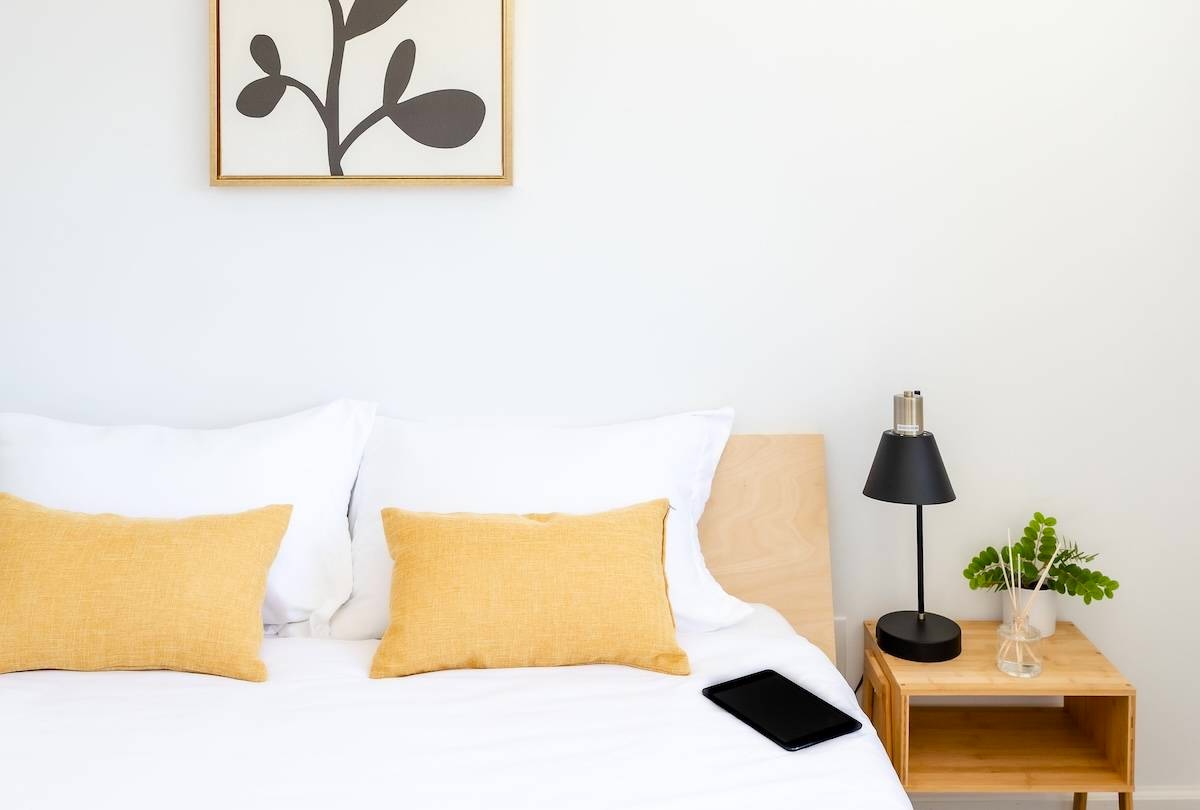
As a busy mum, wondering how to declutter your home without feeling overwhelmed can feel like an impossible task, especially when you’re juggling family life, managing everyone’s belongings, and trying to stay on top of everyday chaos.
However, decluttering doesn’t have to mean all-day clear-outs, or striving for a perfectly minimal home. Instead, it’s about creating simple, realistic systems that make your home feel calmer, and easier to manage.
In this post you’ll learn how to declutter your home step by step, even if you only have a few minutes at a time.
You’ll discover how to shift your mindset so decluttering feels achievable, how to start small to build momentum, and how to use simple systems to decide what to keep, and what to let go of.
If you’re ready to feel more in control of your home, reduce clutter, and create spaces that work for your family, this post will help.
Download your FREE declutter checklist with 100+ items to declutter here
Bookmark this post for future reference on Pinterest. Thank you!
This post may contain affiliate links, which means I’ll receive a commission if you purchase through my links, at no extra cost to you. Please read full disclosure for more information
Why decluttering feels hard
Decluttering can feel hard as a mum because you’re managing more than just one category of items, you’re also managing:
- Toys
- Outgrown clothes
- Paperwork
- A busy and well used home
And you’re managing all these categories with limited time, energy, and interruptions.
Here’s how to declutter your home easily, without having to reach unrealistic levels of perfection.
Step 1: Start with the right decluttering mindset
Getting into a decluttering mindset is really important when it comes to decluttering your home, which for me means getting into the mood to actually start decluttering, which I do by reminding myself of the following:
- You don’t have to declutter your whole house at once
- Done is better than perfect (my favourite reminder)
- Small progress adds up quickly
Step 2: Start small
Often decluttering can feel overwhelming when we think we have to declutter an entire room in one go, so to avoid decluttering overwhelm start with small, manageable fast decluttering jobs that provide an instant sense of progress, and the momentum to keep going.
Here are some small decluttering jobs that I do when I want to declutter, but want to do so in a more manageable way:
- A kitchen cupboard
- A fridge shelf
- One closet drawer
- The medicine cabinet
If you only have 5 minutes to declutter, try these quick decluttering jobs.
Step 3: Use a simple decluttering system
The easiest decluttering system that I use to decide what to declutter from my home is to ask myself the following questions:
- Do I use this?
- Do I love this?
- Do I need this?
If the answer to any of these questions is no, then I declutter the item and add it to one of the following piles, which are discussed in more detail in step 7.
- Donate
- Sell
- Recycle
- Bin
Step 4: Declutter room by room
Decluttering my home room by room is the step I like to take once I’ve tackled smaller jobs, and I’m ready to tackle larger ones.
Here are some items you can consider decluttering from each room of your home, if this is a step you want to do when it comes time to declutter your home.
Living room
Our living room tends to be a room where toys, paperwork, and random bits and pieces gather.
Here are some things you can focus on decluttering from your living room:
- Coffee table items
- DVDs you no longer watch
- Excess cushions that always end up on the floor
- Excess décor items
- Furniture that doesn’t suit how you use the room
- Paperwork
- Side tables that collect clutter
- Throws you never use
- Toys
READ MORE: How to achieve a decluttered living room without stress.
Bathroom
Family toiletries, half used bottles, backups you forgot you had, and items that belong elsewhere are often large sources of clutter in the bathroom.
Here are some items to focus on when decluttering this room.
- Broken or unused tools
- Duplicate items
- Empty or nearly empty bottles
- Excess linens
- Expired makeup and medication
- Items bought on impulse and never used
- Old loofahs, sponges, and flannels
- Towels that are worn, stained, or scratchy
- Travel size products
- Worn out bath mats
READ MORE: Bathroom decluttering: Simple steps that actually work.
Bedroom
Your bedroom should be a calm space, where you can rest, recharge, and wake up feeling refreshed.
If your bedroom doesn’t feel like any of these things, then it’s time for a bedroom declutter.
Here’s are some things to focus on decluttering from this room:
- Décor that no longer suits your room
- Empty cups or water bottles
- Excess chargers and cables
- Excess cushions
- Excess throws
READ MORE: How to create a calm space with a bedroom declutter.
Kitchen
The kitchen is the most used room in our homes, so doing a regular declutter is essential.
Here are some items you can declutter from your kitchen.
- Broken gadgets
- Chipped or mismatched items
- Cracked, stained, or warped plastic containers
- Duplicate items
- Excess drink bottles and flasks
- Excess pots and pans
- Expired food
- Items that haven’t been used in the last 12 months
- Mismatched, damaged, or unused containers
READ MORE: How to do a kitchen declutter without feeling overwhelmed.
Kids rooms
Clutter can feel never ending in our kids’ rooms.
Here are some items you can consider decluttering from them:
- Craft supplies
- Fancy dress or sports gear
- Old school artwork
- Outgrown clothes and shoes
- Outgrown toys and books
- Party favours
- Toys with missing pieces, broken parts, or that no longer work
READ MORE: How to declutter kids’ rooms without the stress.
Step 5: Tackle clutter hotspots
Another way to declutter your home is to focus on categories of items.
Here are the most common categories of clutter within our homes, and some ideas of items you can declutter within them.
Clothes and accessories
- Broken or unused accessories
- Clothes that need repairs but you don’t have time to fix
- Clothes you no longer wear, or that don’t fit
- Duplicate items
- Items that don’t suit your climate
- Scarves, belts, or hats you never wear
- Seasonal clothes you didn’t wear last season
- Socks with holes, missing pairs, or stretched elastic
READ MORE: Decluttering clothes: Simple tips that actually work.
Paperwork
- Bills you’ve paid
- Expired medical leaflets
- Expired permission slips
- Expired warranties
- Manuals for items you no longer own
- Old bank statements (check how long you’re required to keep them)
- Old prescriptions
- Outdated appointment letters
- Promotional leaflets
READ MORE: Decluttering paperwork: How to sort and organise fast.
Books
When decluttering books, ask yourself the following questions and declutter any that have a no answer.
- Do I have time to read this?
- Do I love it?
- Does it suit my current life stage, or interests?
- Is it useful?
- Would I buy it again today?
READ MORE: Book decluttering: How to clear bookshelves step by step.
Digital clutter
- Archive or delete emails you no longer need
- Delete computer files you don’t need
- Delete duplicate photos
- Leave Facebook groups you no longer find helpful
- Remove apps you’ve never used, or haven’t used in months
- Unfollow social media accounts that make you feel bad
READ MORE: Digital declutter tips for busy mums.
Toys
- Character or fad toys your kids no longer have interest in
- Excess soft toys
- Games without all the parts
- Party bag toys
- Puzzles with missing pieces
- Toys that are similar
- Toys that no longer work
- Toys your children haven’t played with in months
- Worn or damaged soft toys
READ MORE: From cluttered to calm: A guide to decluttering toys.
Another way you can reduce toy clutter in your home is by implementing a toy rotation system, which means only having a few toys out for your kids to play with at any given time.
Step 6: Declutter when you have no time
Yes, you read that right, declutter when you have no time.
I know this doesn’t make sense, but as mums we’re constantly busy, there’s never the perfect time, or perfect day to declutter our homes.
Therefore, we have to build decluttering into our real lives, which means decluttering in small pockets of time like:
- A quick declutter before bed
- For 5-10 minutes while dinner cooks
- One small decluttering task per day
Step 7: Decide what to do with decluttered items
When deciding what to do with decluttered items, the best thing to do is to create 4 piles and place decluttered items in their respective pile.
Here are the piles I create when I declutter, and the items I add to them:
- Donate – items in good condition
- Sell – higher value items (if they don’t sell in a week, I donate them)
- Recycle – only items that are recyclable
- Bin – broken or unusable items

Step 8: How to keep your home clutter free
Keeping your home clutter free means you don’t have to continually do large decluttering jobs.
Here are some easy things you can do to keep clutter within your home to a minimum.
Find homes for everyday items
Make sure every item in your home has a dedicated place, for example toys in a toy box, remote controls in a remote control holder, or blankets in a blanket basket.
Do mini daily resets
A mini 5 minute reset, or tidy up at the end of the day helps keep clutter under control.
Here are home reset activities you can try:
- Clear surfaces
- Fold blankets
- Place paperwork in a paperwork holder
- Put items back where they belong
- Put toys away
- Remove items of clothing from rooms
Use a donation bag
One of the decluttering tips that I love and practice is to keep a donation bag in my bedroom, that I put items into that I no longer want. Once the bag is full, I donate all the contents.
Use the One-In, One-Out Rule
This is another one of my favourite decluttering tips, which is when a new item enters my home, I declutter an old item.
To take this one step further, before buying anything I think about whether I actually have space for it in my home. If I have to make space, then I don’t buy it.
The one touch rule
Another way to maintain clutter is to deal with something as soon as you pick it up, instead of putting it somewhere else to deal with later.
Some examples of this include:
- Filing, recycling, or shredding paperwork as soon as it arrives
- Folding clothes as soon as they’re dry
- Loading dirty dishes into the dishwasher as soon as you’re finished with them
Declutter while you wait
Another great way keep on top of clutter is to declutter while you’re waiting for something.
For example, I declutter my kitchen counters while I’m waiting for the kettle to boil, or put laundry away when I’m waiting for dinner to cook.
Decluttering checklists
One of the best ways to keep on top of clutter, and to make decluttering less overwhelming, is to use decluttering checklists.
Here’s the ultimate declutter checklist with 100 things to declutter, which you can start using today.
Do seasonal mini declutters
The start of each season is a great time to schedule mini decluttering sessions, where you go through your home and declutter items you no longer want.
It’s also a great way to remove any items from your home that you won’t be using for a long period of time like large coats, wellies, summer dresses, or outdoor furniture.
RELATED POSTS:
5 things to declutter for the new year for a fresh start.
10 places to declutter before Christmas.
How to declutter your home – a recap
Decluttering your home as a busy mum isn’t about finding hours of free time, or creating a perfectly minimal space, it’s about making your home easier to live in, one small step at a time.
And remember, you don’t need to tackle everything at once. A single drawer, a quick 5-minute tidy, or one clutter hotspot at a time can be enough to build momentum and help you feel more in control of your home.
Every item you remove, every surface you clear, and every system you put in place, creates a home that feels calmer, more functional, and easier to maintain. Over time, these small actions add up to big results.
By maintaining simple habits like daily resets, the one-in-one-out rule, and regular mini declutters, you can keep your home feeling manageable, without starting from scratch again.
If you’ve been feeling overwhelmed by clutter, take this as your reminder that you can do this slowly, simply, and in a way that works for your life right now.
Ready to get more organised?
If you enjoyed these decluttering ideas, don’t forget to download your FREE toolkit full of printables to make decluttering and home organisation easier. Get your FREE toolkit here.
Which small area in your home could you declutter today to get started?
Like this post? Love this post? Share it with others on Pinterest – Thank you!